
Water
[4.1] Total Area On Campus for Water Absorption Besides The Forest and Planted Vegetation (meter2) (WR.1)
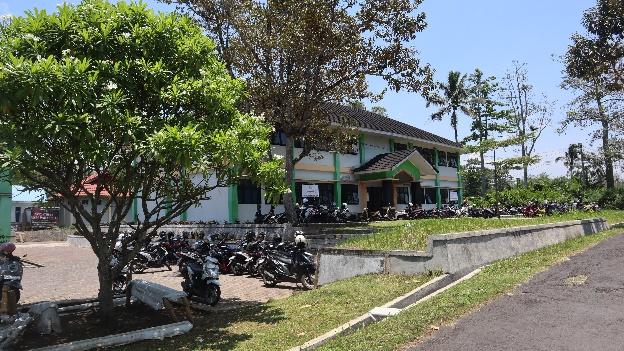
Street 1
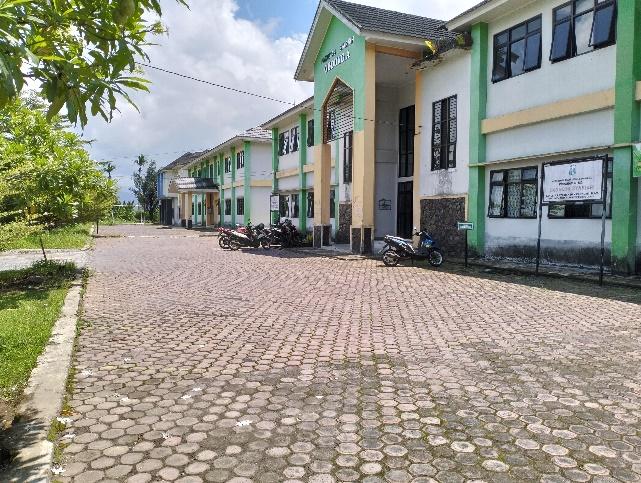
Street 2
Total area on campus for water absorption besides the forest and planted vegetation (IAIN Curup, Indonesia)
Description:
(Please describe the Total area on campus for water absorption besides the forest and planted vegetation area in your campus. The following is an example of the description. You can describe more related items if needed.)
Total water absorption area: 118.18m2
Total Area: 357.24 m2
Percentage area: 33%
Additional evidence link (i.e., for videos, more images, or other files that are not included in this file):
https://drive.google.com/drive/folders/1wb7OCnDswWyIRjtPBdUl5Z0I1EovUZbw?usp=drive_link
[4.2] Water Conservation Program Implementation (WR.2)
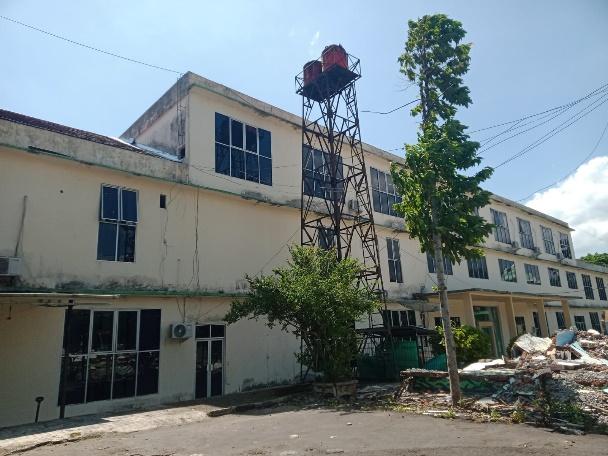
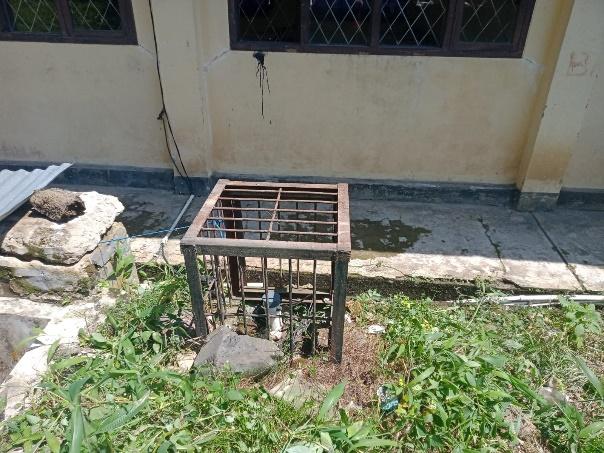
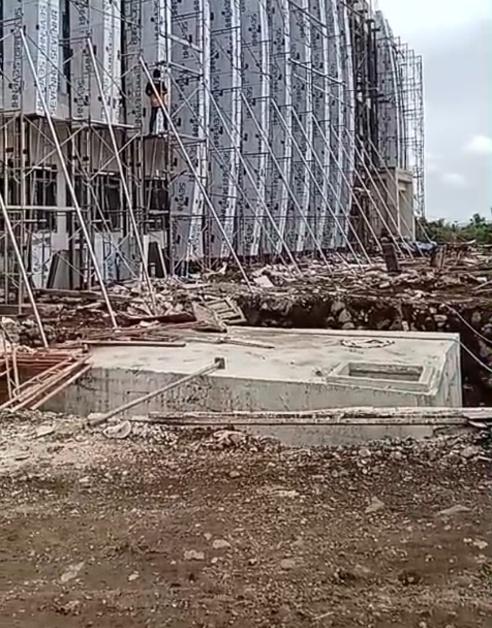
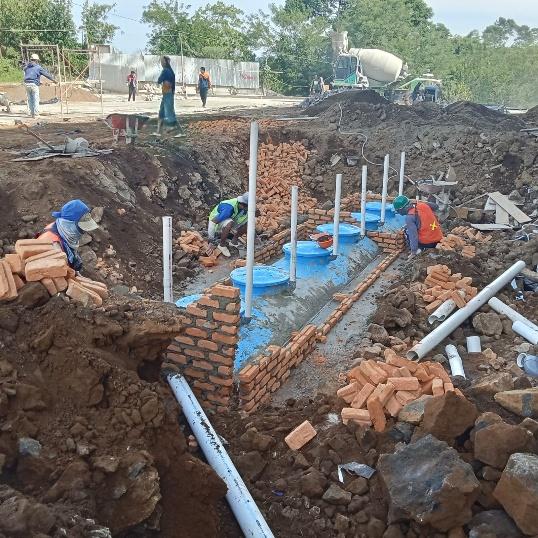
Example of Water Conservation – Rain Water Collection (IAIN Curup, Indonesia)
Consumption of Treated Water (IAIN Curup)
Description:
(Please describe the water conservation program on your campus. The following is an example of the description. You can describe more related items if needed.)
All buildings at IAIN Curup have rainwater reservoirs in the form of regular wells, drilled wells or from drilled wells directly stored in water reservoirs on the roof of the building. This water comes from rainwater that is absorbed into the ground and then becomes springs in the wells. Then from the wells or water tanks above, the water will be channelled to rooms that need water. Wastewater will be channelled into the IAIN Curup water drainage channel.
The water at IAIN Curup is clean water but not water that can be drunk directly. Because the water has not been processed into drinkable water.
Additional evidence link (i.e., for videos, more images, or other files that are not included in this file):
https://drive.google.com/drive/folders/1wb7OCnDswWyIRjtPBdUl5Z0I1EovUZbw?usp=drive_link
[4.3] Water Recycling Program Implementation (WR.3)
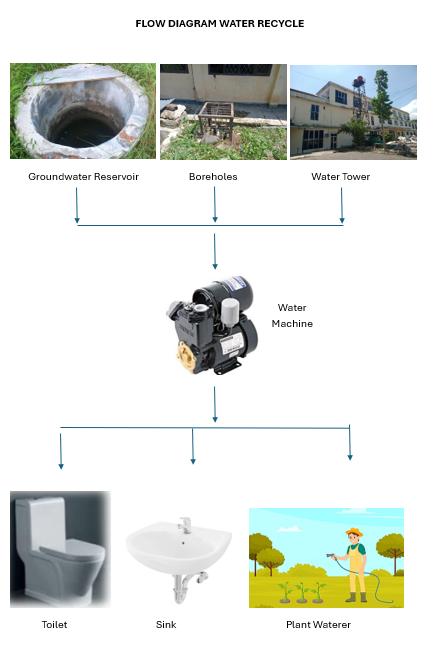
Example of Water Recycling Program (IAIN Curup)
Description:
(Please describe the water recycling program on your campus. The following is an example of the description. You can describe more related items if needed.)
The diagram above illustrates the water recycling system at IAIN Curup, which starts from water sources such as groundwater reservoirs and boreholes. Water taken from these sources is pumped using a water machine to a water tower, which functions to store and distribute water to various facilities on campus. With this system, water can be distributed with sufficient pressure to meet daily needs.
After distributed, the water is used in various facilities, including toilets and sinks, as well as for watering plants around the campus. This process supports water conservation and greening efforts, allowing IAIN Curup to manage water resources efficiently and sustainably. By utilizing a water recycling system, the campus can reduce water waste and support a better environment.
Additional evidence link (i.e., for videos, more images, or other files that are not included in this file):
https://drive.google.com/drive/folders/1wb7OCnDswWyIRjtPBdUl5Z0I1EovUZbw?usp=drive_link
[4.4] Water Water Efficient Appliances Usage (e.g. hand washing taps, toilet flush, etc.) (WR.4)
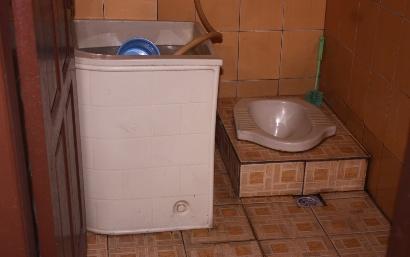
Water Efficient Appliances Usage (IAIN Curup)
Description:
(Please describe the water efficient appliances usage on your campus. The following is an example of the description. You can describe more related items if needed.)
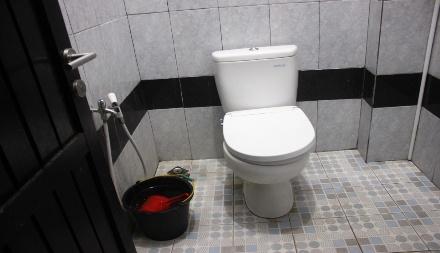
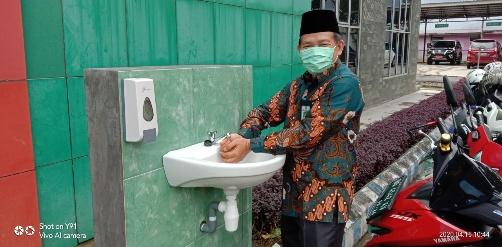
The image above shows the use of water-saving devices at IAIN Curup, which includes various equipment designed to reduce water consumption in daily activities.
- Featuring a toilet with a water tank that uses a water-saving tap and a squat toilet.
- Shows toilets designed with efficient flush systems, using less water when flushing, thereby helping to reduce total water usage on campus.
Shows a person washing their hands at a sink with a water-saving faucet. This illustrates the practice of maintaining cleanliness that also supports water conservation.
| Appliance | Total Number | Total Number Water Efficient Appliances | Percentage |
|---|---|---|---|
| Toilet | 168 | 150 | 89% |
| Wastafel | 84 | 70 | 83% |
| Etc. | ... | ... | ... |
| Average Percentage | 86% |
Additional evidence link (i.e., for videos, more images, or other files that are not included in this file):
https://drive.google.com/drive/folders/1wb7OCnDswWyIRjtPBdUl5Z0I1EovUZbw?usp=drive_link
[4.5] Consumption of Treated Water (WR.5)
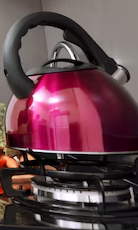
Example of Cunsumption of Treated Water (IAIN Curup)
Description:
(Please describe the water efficient appliances usage on your campus. The following is an example of the description. You can describe more related items if needed.)
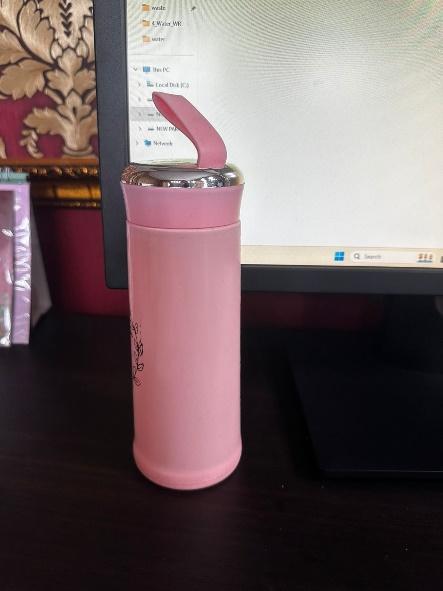
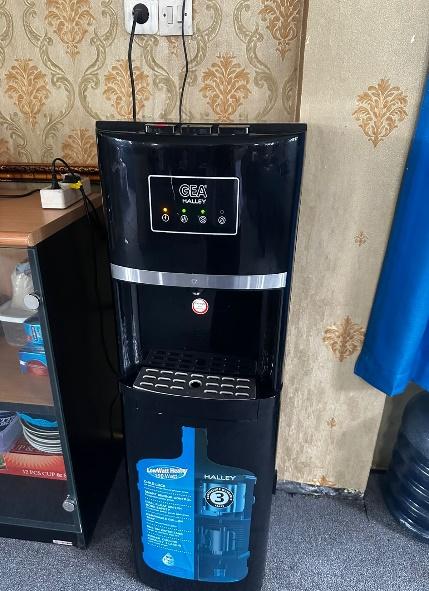
IAIN Curup has implemented the use of treated water as part of its efforts to support sustainable water management on campus. Treated water is used to reduce dependence on fresh clean water for non-drinking purposes and to encourage more efficient use of water resources in daily campus activities.
The consumption of treated water at IAIN Curup can be directed to several campus needs, such as watering plants and green areas, cleaning outdoor facilities, maintaining campus landscapes, and supporting environmental sanitation. This practice helps reduce excessive use of groundwater or clean water supplies, especially for activities that do not require potable water quality.
Additional evidence link (i.e., for videos, more images, or other files that are not included in this file):
https://drive.google.com/drive/folders/1wb7OCnDswWyIRjtPBdUl5Z0I1EovUZbw?usp=drive_link
[4.6] Water Pollution Control in Campus Area (WR.6)
Description:
(Please describe water pollution control in campus area. The following is an example of the description. You can describe more related items if needed.)
IAIN Curup still does not have a water pollution control system in the campus area, which means that there are no integrated steps to monitor and manage liquid waste generated from daily activities. Without adequate control, the potential for water pollution from unmanaged waste can affect the quality of groundwater and the surrounding environment. Therefore, it is important for the campus to develop and implement effective policies and infrastructure to reduce negative impacts on water resources, to maintain environmental health and the sustainability of the ecosystem around the campus.
Additional evidence link (i.e., for videos, more images, or other files that are not included in this file):
https://drive.google.com/drive/folders/1wb7OCnDswWyIRjtPBdUl5Z0I1EovUZbw?usp=drive_link
[4.7] Impact of Water Management Programs in Supporting The Sustainable Development Goals (SDGs)
Impact of Water Management Programs in Supporting The Sustainable Development Goals (SDGs) – IAIN Curup, Indonesia
Description:
(Please describe Impact of Water Management programs in supporting the Sustainable Development Goals. The following is an example of the description. You can describe more related items if needed.)
IAIN Curup commitment to quality education and community engagement suggests potential areas where such programs could align with the SDGs.
- Rainwater Harvesting Systems: Implementing systems to collect and utilize rainwater can reduce dependency on external water sources and promote sustainable water use on campus.
- Water Conservation Campaigns: Educating students and staff about the importance of water conservation through workshops and awareness programs can lead to more sustainable water practices.
- Research and Community Engagement: Conducting research on local water issues and engaging with the surrounding community can help develop context-specific solutions and promote collaborative efforts in water management.
IAIN Curup potential to impact the SDGs through such initiatives is considerable. By focusing on sustainable water practices, education, and community involvement, IAIN Curup can contribute meaningfully to the achievement of the SDGs.
Additional evidence link (i.e., for videos, more images, or other files that are not included in this file):
https://drive.google.com/drive/folders/1wb7OCnDswWyIRjtPBdUl5Z0I1EovUZbw?usp=drive_link