
Transportation
[5.4] The Total Number of Vihicle (Cars and Motorcycles) Divided by Total Campus’ Population (TR.1)
| No | Vehicke | Total Number |
|---|---|---|
| 1 | Car Managed by The University | 10 |
| 2 | Cars Entering The University | 150 |
| 3 | Motorcyles Entering The University | 1589 |
| Total | 1749 |
5.4 = 1749 / 4487 (population) = 0.39
Description:
(Please describe the shuttle services on your campus. The following is an example of the description. You can describe more related items if needed.)
Additional evidence link (i.e., for videos, more images, or other files that are not included in this file):
https://drive.google.com/drive/folders/1wb7OCnDswWyIRjtPBdUl5Z0I1EovUZbw?usp=drive_link
[5.5] Shuttle Services (TR.2)
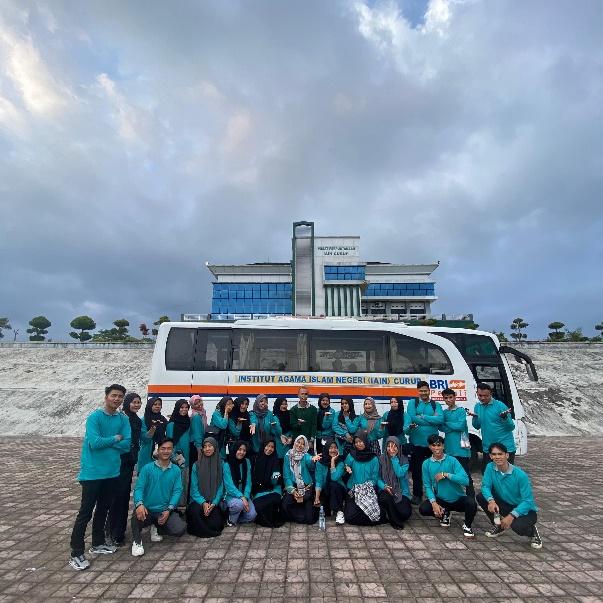
Description:
(Please describe the shuttle services on your campus. The following is an example of the description. You can describe more related items if needed.)
IAIN Curup still do not have shuttle service for student commuting inside campus, the bus is for commuting outsidecampus.
Additional evidence link (i.e., for videos, more images, or other files that are not included in this file):
https://drive.google.com/drive/folders/1wb7OCnDswWyIRjtPBdUl5Z0I1EovUZbw?usp=drive_link
[5.9] Zero Emission Vehicle (ZEV) Availability on Campus (TR.3)
Description:
(Please describe the Zero Emission Vehicles (ZEV) policy on your campus. The following is an example of the description. You can describe more related items if needed.)
IAIN Curup still doesn’t have ZEV availability on campus, but there is a hybrid electric vehicle.
Additional evidence link (i.e., for videos, more images, or other files that are not included in this file):
https://drive.google.com/drive/folders/1wb7OCnDswWyIRjtPBdUl5Z0I1EovUZbw?usp=drive_link
[5.12] Ratio of Parking Area to Total Campus Area (TR.5)
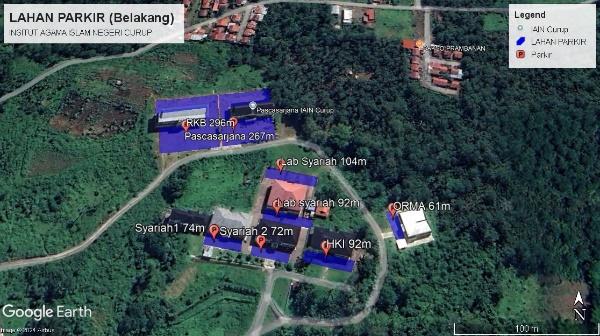
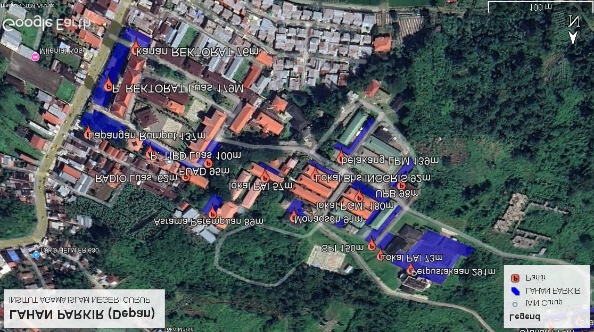
Description:
(Please describe the ratio of parking area to total campus area. The following is an example of the description. You can describe more related items if needed.)
Total main campus area: 227,529 m2
Total parking area = 99,67 m2
Ratio = 4.38
Currently, the land at IAIN Curup is mostly green land, both that which has been developed into parks and that which is still natural, such as gardens or wild plants.
Additional evidence link (i.e., for videos, more images, or other files that are not included in this file):
https://drive.google.com/drive/folders/1wb7OCnDswWyIRjtPBdUl5Z0I1EovUZbw?usp=drive_link
[5.14] Program to Limit or Decrease The Parking Area on Campus for The Last 3 Years (TR.6)
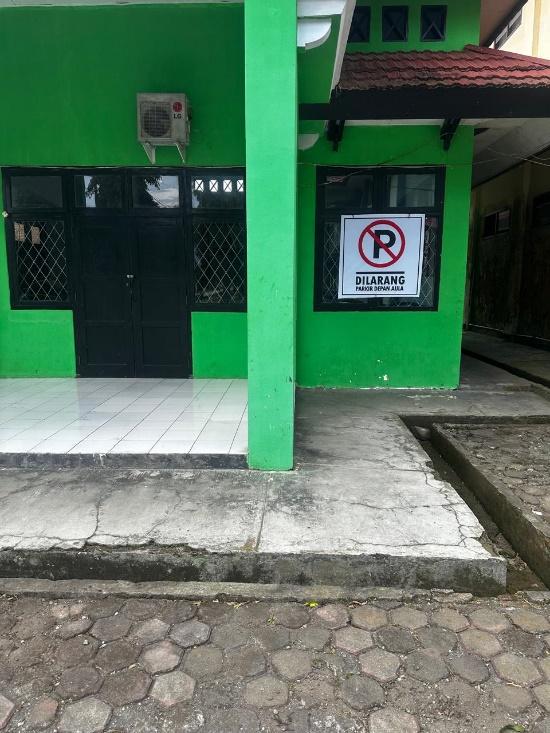
Description:
(Please describe the transportation initiatives to decrease private vehicles on campus and specify detail of data, e.g. campus bus, free bicycle, etc. The following is an example of the description. You can describe more related items if needed.)
IAIN Curup has restricted parking areas for students in several buildings, in order to make the front of the building look neater and be able to be planted with green plants.
Additional evidence link (i.e., for videos, more images, or other files that are not included in this file):
https://drive.google.com/drive/folders/1wb7OCnDswWyIRjtPBdUl5Z0I1EovUZbw?usp=drive_link
[5.15] Number of Transportation Initiatives to Decrease Private Vehicle on Campus (TR.7)
Description:
(Please describe the transportation initiatives to decrease private vehicles on campus and specify detail of data, e.g. campus bus, free bicycle, etc. The following is an example of the description. You can describe more related items if needed.)
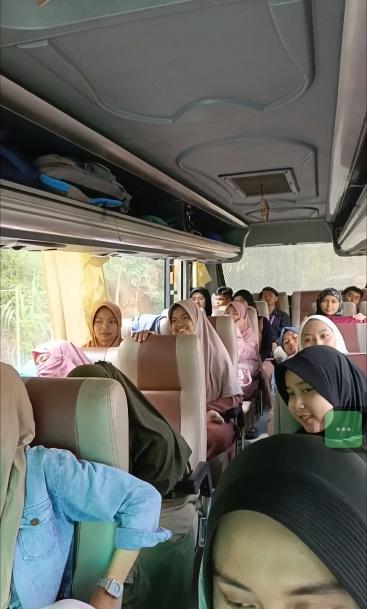
AIN Curup has 2 campus buses that can be used by students for free if there are activities outside the campus. For campus buses that are used to move around the campus have not been prepared by the campus because the conditions, situations, weather and air at IAIN Curup can still be done on foot.
Additional evidence link (i.e., for videos, more images, or other files that are not included in this file):
https://drive.google.com/drive/folders/1wb7OCnDswWyIRjtPBdUl5Z0I1EovUZbw?usp=drive_link
[5.16] Pedestrian Path Policy on Campus (TR.8)
Description:
(Please describe pedestrian path policy on your campus. The following is an example of the description. You can describe more related items if needed.)
The evidence provided may also include maps showing the location, area size, or distribution of facilities relevant to the indicators.
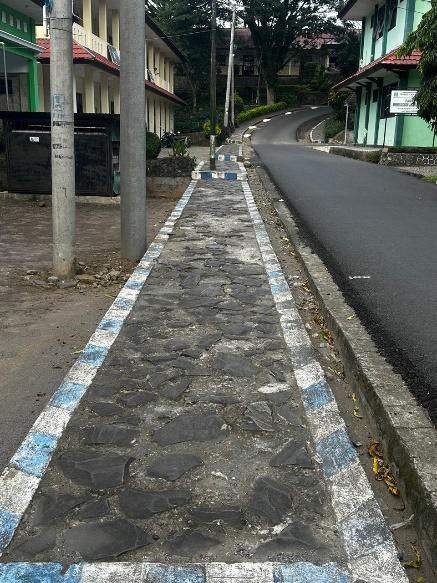
- Separators between road for vehicle and pedestrian path.
- Pedestrian paths on campus are designed with adequate width and safe surfaces for use, avoiding slippery or uneven surfaces. These paths are also equipped with clear signs and markings to provide guidance to users.
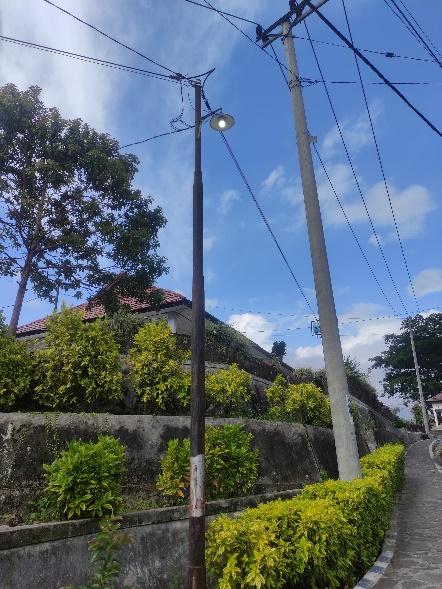
- This policy prioritizes user safety by placing adequate lighting along pedestrian paths, especially in areas that are frequently passed at night.
Additional evidence link (i.e., for videos, more images, or other files that are not included in this file):
https://drive.google.com/drive/folders/1wb7OCnDswWyIRjtPBdUl5Z0I1EovUZbw?usp=drive_link
[5.18] Impact of Transportation Programs in Supporting The Sustainable Development Goals (SDGs)
Description:
(Please describe Impact of Transportation programs in supporting the Sustainable Development Goals. You can describe more related items if needed.)
The general principles of sustainable transportation in a campus context apply and can be adapted in IAIN Curup. A well-designed transportation programme at IAIN Curup can make a meaningful contribution to multiple SDGs. The institution has the opportunity to serve as a local model of sustainable mobility, reduce its environmental footprint, improve student/staff well-being, and strengthen community ties.
- Promoting walking/cycling and reducing traffic accidents/pollution around campus, the transport programme contributes to the health of the campus community.
- Embedding sustainable-mobility practices into campus life and education enriches student learning and promotes lifelong sustainable behaviour.
- Ensuring equitable transport access (for students/staff with lower incomes, disabilities) fosters inclusiveness.
- A university that reduces its transport footprint and integrates with local mobility systems helps create more liveable, sustainable local community around Curup/Rejang Lebong.
- Transport programmes reduce resource use (fuel, vehicle maintenance), encourage efficient systems (shared rides) and reduce waste (less vehicle wear, fewer emissions).
- Modal shifts away from private fossil‐fuel vehicles, adoption of electric/hybrid vehicles, and infrastructure supporting walking/cycling directly contribute to reducing GHG emissions.
- Collaboration with local authorities, transport providers, student bodies, NGOs fosters the systems and networks needed for sustainable transport.
Additional evidence link (i.e., for videos, more images, or other files that are not included in this file):
https://drive.google.com/drive/folders/1wb7OCnDswWyIRjtPBdUl5Z0I1EovUZbw?usp=drive_link