
Energy & Climate Change
[2.1] Energy Efficient Appliances Usage (EC.1)
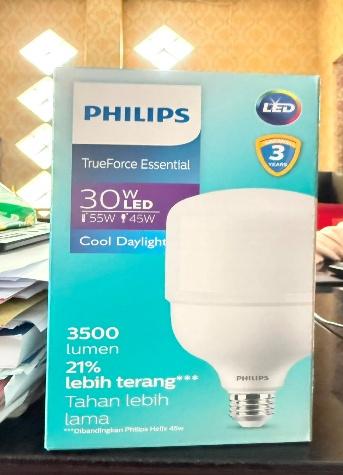
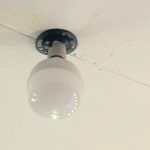
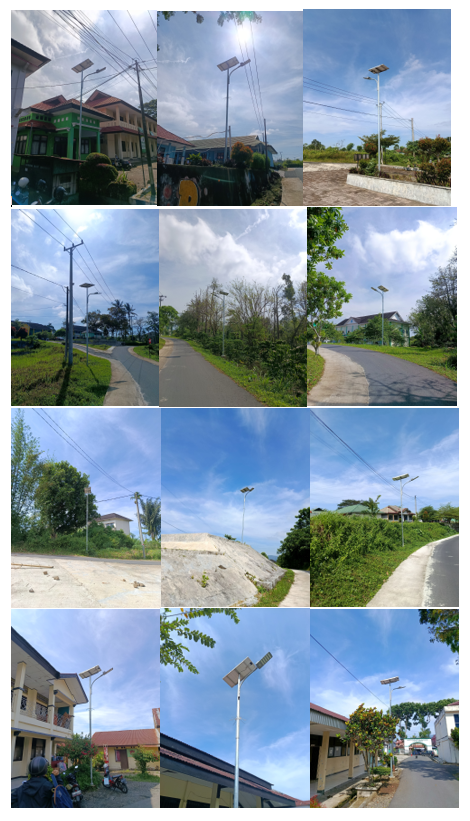
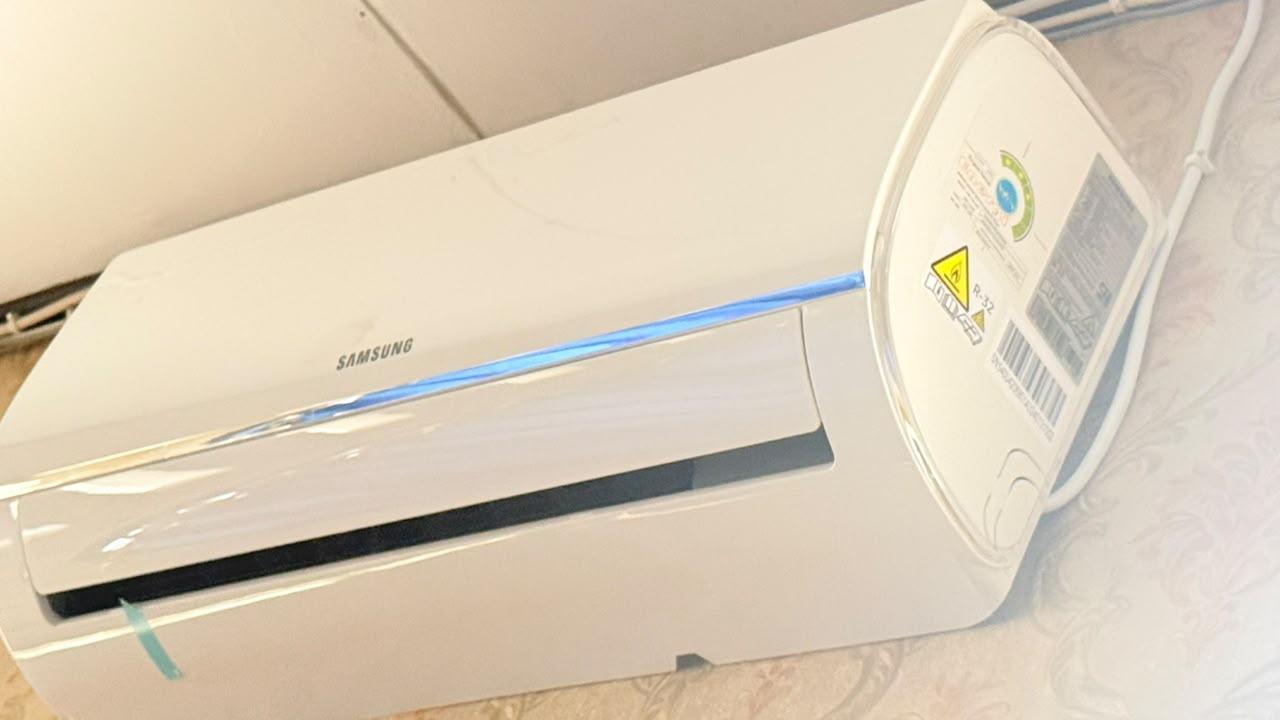
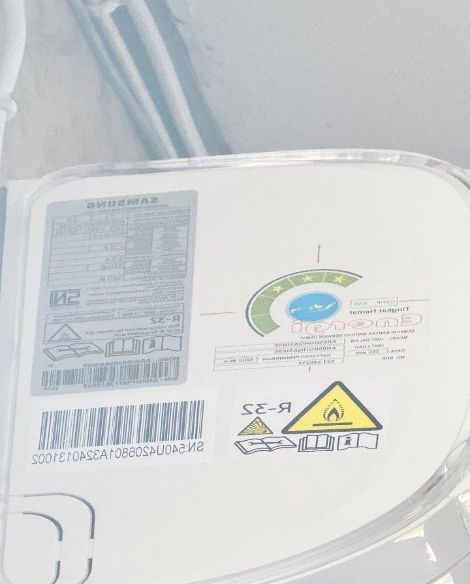
Energy Efficient Appliances Usage (IAIN Curup, Indonesia)
Description:
(Please describe sustainability courses/subjects offered on your campus. The following is an example of the description. You can describe more related items if needed.)
IAIN Curup has implemented the use of energy-efficient appliances as part of its commitment to green campus development and environmental sustainability. The campus has installed 33 solar-powered streetlights along internal campus roads and public areas, helping to reduce electricity consumption while improving lighting and safety across the campus environment.
In addition, IAIN Curup has also used LED lighting in several campus facilities and applied energy-efficient air conditioners to support lower energy use in academic and administrative buildings. These initiatives show the institution’s effort to promote energy efficiency, reduce operational costs, and strengthen sustainable campus management.
Additional evidence link (i.e., for videos, more images, or other files that are not included in this file):
https://drive.google.com/drive/folders/1wb7OCnDswWyIRjtPBdUl5Z0I1EovUZbw?usp=drive_link
[2.3] Smart Building Implementation (EC.2)
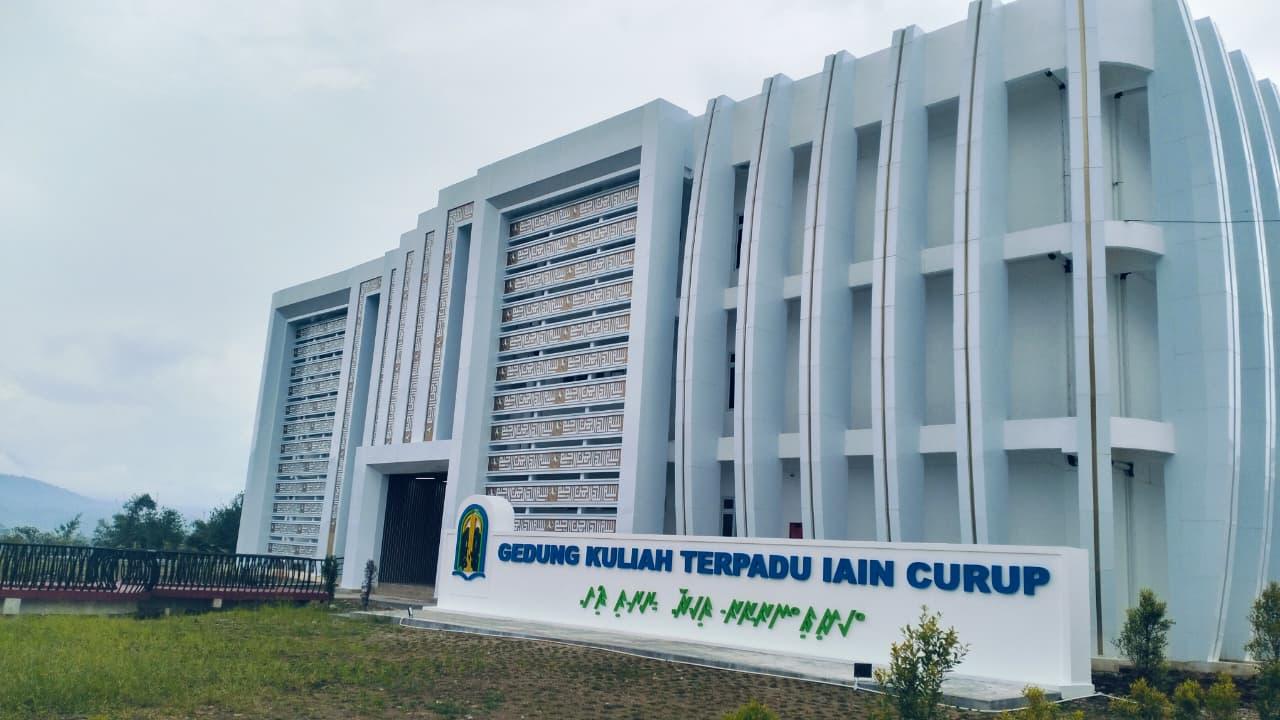
Smart building implementation
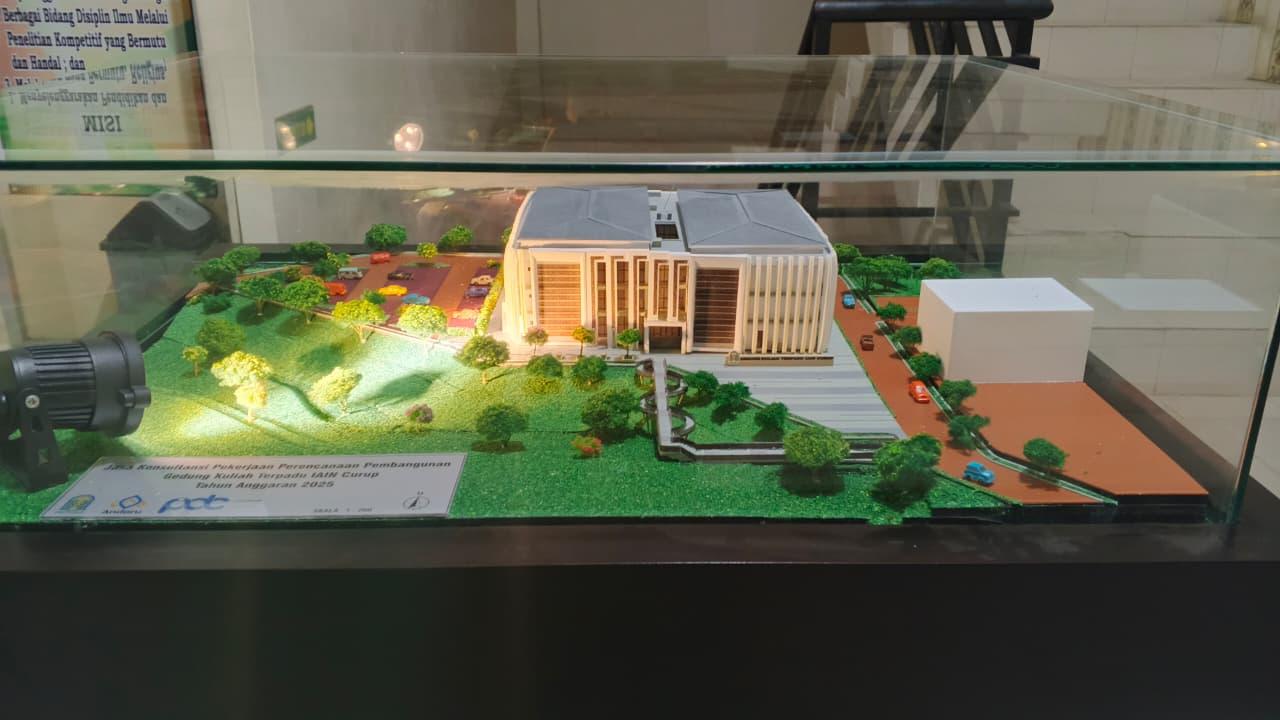
The Integrated Lecture Building of IAIN Curup has been equipped with several facilities that support building safety, energy efficiency, and environmental sustainability. In terms of automation, the building is supported by smoke detectors and a fire alarm system to provide early warning in case of fire. For safety, the building is equipped with fire extinguishers and CCTV cameras to improve protection, monitoring, and security for users.
The building also applies energy-efficient lighting by using LED lamps to reduce electricity consumption. In terms of the indoor and surrounding environment, plants are placed inside and around the building to create a greener, healthier, and more comfortable atmosphere. The surrounding area is also supported by solar-powered streetlights, which help reduce dependence on conventional electricity. In the water aspect, the building has an underground water tank to store clean water and support the availability of water for daily building operations.
*Total Building Area: 105,761 m2
3, 873 m2 x 100% = 3,7 % 105, 761 m2
Additional evidence link (i.e., for videos, more images, or other files that are not included in this file):
https://drive.google.com/drive/folders/1wb7OCnDswWyIRjtPBdUl5Z0I1EovUZbw?usp=drive_link
[2.5] Renewable Energy Sources in Campus
Description:
Renewable Energy Sources at IAIN Curup
IAIN Curup has begun implementing renewable energy sources as part of its commitment to developing a green and sustainable campus. One of the main applications is the use of solar-powered streetlights installed along the internal campus roads and public areas. These solar streetlights use sunlight as an energy source, reducing dependence on conventional electricity and supporting energy efficiency on campus.
Currently, IAIN Curup has installed 33 solar-powered streetlights across the campus environment. This initiative contributes to lower electricity consumption, reduced operational costs, and improved campus lighting and safety, especially at night. The use of solar energy also reflects IAIN Curup’s support for clean energy, environmental responsibility, and sustainable campus management.
In addition to solar-powered lighting, the renewable energy initiative is strengthened by the use of energy-efficient LED lamps and other efficient electrical appliances in campus buildings. Although LED lamps are not a renewable energy source, they support the renewable energy program by reducing total energy demand. Overall, the use of solar-powered streetlights and energy-efficient facilities shows IAIN Curup’s commitment to promoting renewable energy, reducing carbon emissions, and supporting sustainability in higher education.
Additional evidence link (i.e., for videos, more images, or other files that are not included in this file):
https://drive.google.com/drive/folders/1wb7OCnDswWyIRjtPBdUl5Z0I1EovUZbw?usp=drive_link
[2.6] Electricity Usage per Year (in Kilowatt Hour)
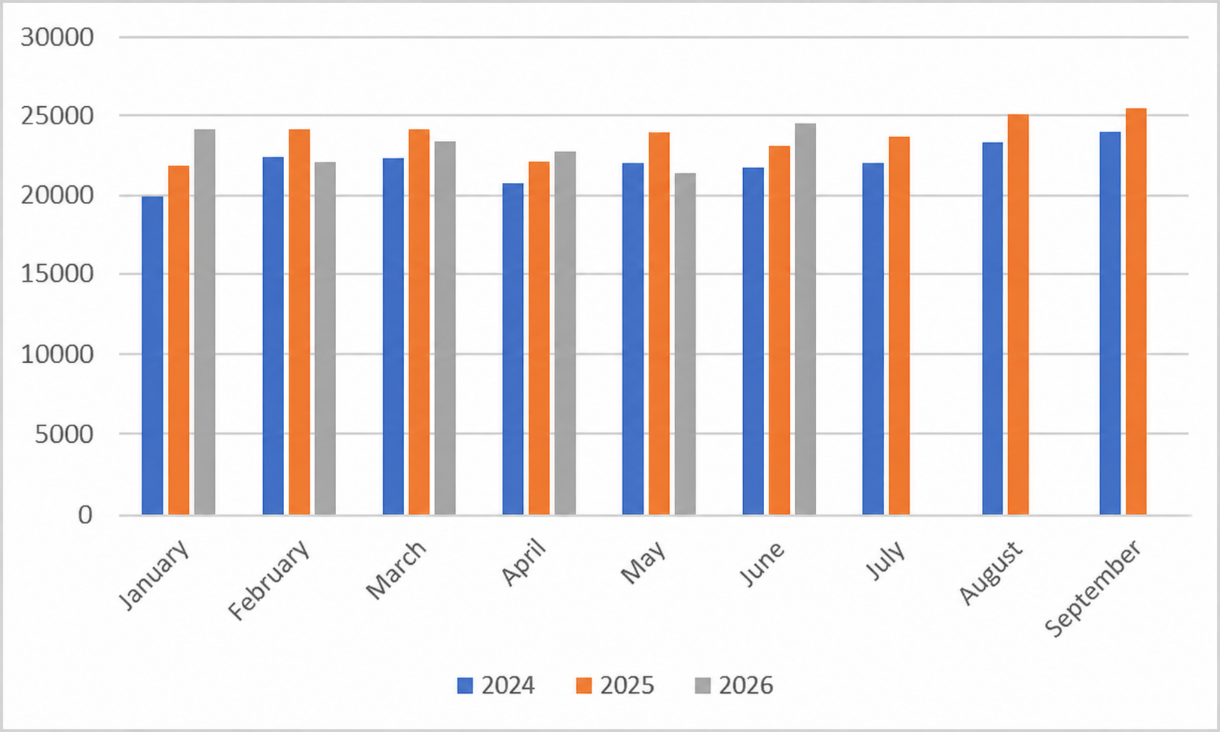
Electricity Usage (kWh) (IAIN Curup, Indonesia)
Description:
Renewable Energy Sources at IAIN Curup
(The total electricity usage of IAIN Curup Campus in 2026 is 209.408 kWh.
Additional evidence link (i.e., for videos, more images, or other files that are not included in this file):
https://drive.google.com/drive/folders/1wb7OCnDswWyIRjtPBdUl5Z0I1EovUZbw?usp=drive_link
[2.8] Ratio of Renewable Energy Production Devided by Total Energu Usage per year (EC.5)
Description:
(Please describe the renewable energy sources on your campus. The following is an example of the description. You can describe more related items if needed.)
| No | Renewable Energy | Production (in kWh) |
|---|---|---|
| 1 | Solar Panel | 3.564 |
| Total | 3.564 |
3.564 / 209.408 (Electricity Usage) = 1.7%
Additional evidence link (i.e., for videos, more images, or other files that are not included in this file):
https://drive.google.com/drive/folders/1wb7OCnDswWyIRjtPBdUl5Z0I1EovUZbw?usp=drive_link
[2.9] Elements of Green Building Implementation as Reflected in All Buildings (EC.6)
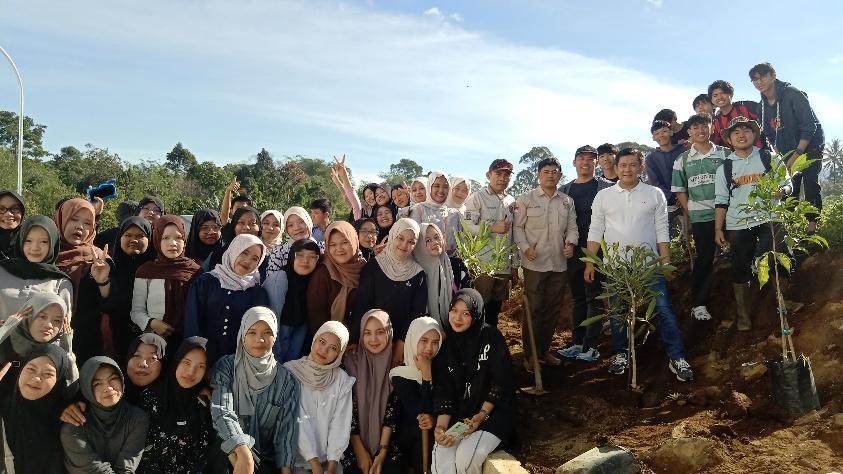
Description:
Every new building construction and renovation activity of existing buildings on the IAIN Curup campus must consider the principles of green building or environmentally friendly building. These principles are not only applied to a particular building, but also become part of the campus’s general policy in designing, constructing, improving, and managing buildings.
The elements commonly assessed include the use of energy-efficient lighting, natural ventilation and lighting, energy-efficient air conditioners, clean water and wastewater management, greenery around buildings, the use of environmentally friendly materials, building safety, and the utilization of renewable energy such as solar-powered streetlights.
In Curup, building construction and renovation policies are increasingly directed toward supporting energy efficiency, safety, comfort, and environmental sustainability. This is reflected, for example, through the use of LED lamps, energy-efficient air conditioners, fire alarms, fire extinguishers, CCTV, plants inside and around buildings, solar-powered streetlights, and underground water tanks to support the availability of clean water.
Additional evidence link (i.e., for videos, more images, or other files that are not included in this file):
https://drive.google.com/drive/folders/1wb7OCnDswWyIRjtPBdUl5Z0I1EovUZbw?usp=drive_link
[2.10] Greenhouse Gas Emission Reduction Program (EC.7)
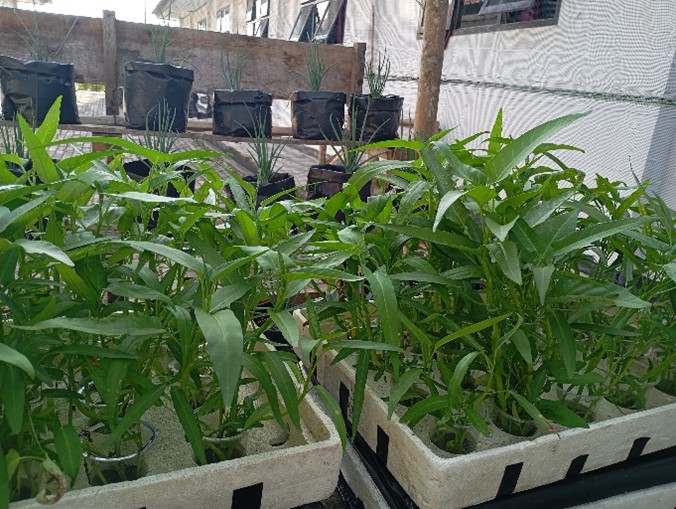
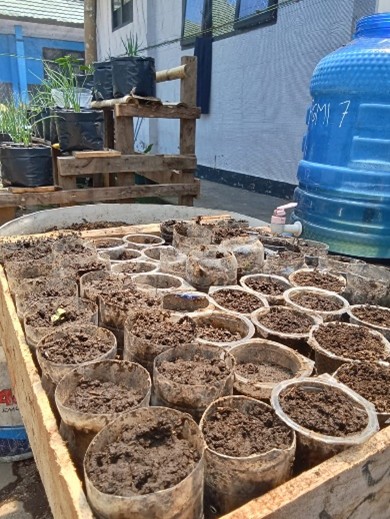
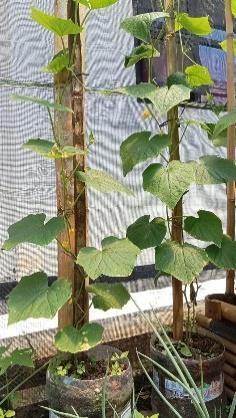
Description:
IAIN Curup’s greenhouse gas emission reduction program through campus greening and small-scale plant cultivation. The activities include growing vegetables and plants in containers, using available campus space for greenery, and preparing seedlings for further planting. This program supports carbon absorption, improves air quality, reduces environmental heat, and promotes a sustainable green campus culture.
Additional evidence link (i.e., for videos, more images, or other files that are not included in this file):
https://drive.google.com/drive/folders/1wb7OCnDswWyIRjtPBdUl5Z0I1EovUZbw?usp=drive_link
[2.11] Please Provide The Total Carbon Footprint (CO2 emission in the last 12 months, in metric tons)
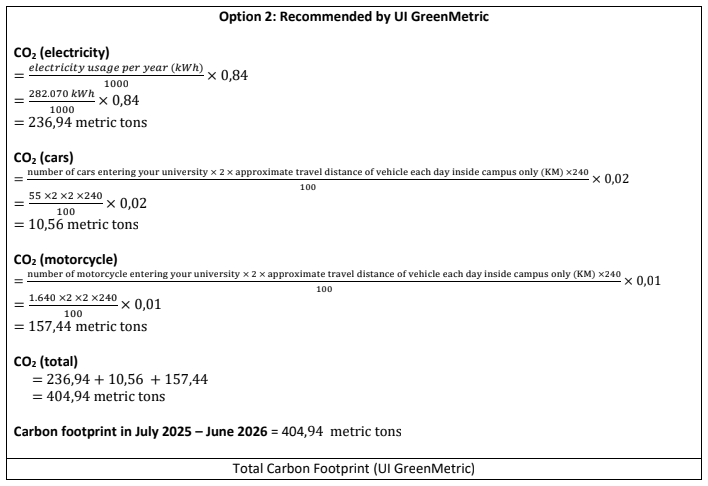
Description:
Total carbon footprint in July 2025 – June 2026 in IAIN Curup is 404,94 metric tons.
Additional evidence link (i.e., for videos, more images, or other files that are not included in this file):
https://drive.google.com/drive/folders/1wb7OCnDswWyIRjtPBdUl5Z0I1EovUZbw?usp=drive_link
[2.13] Number of Innovative Program(s) in Energy and Climate Change (EC.9)
| No | Innovative Program in Energy and Climate Change | Description |
|---|---|---|
| 1 | Solar-Powered Streetlights | Installation of 33 solar-powered streetlights along campus roads and public areas to reduce electricity consumption and support renewable energy use. |
| 2 | Energy-Efficient LED Lighting | Use of LED lamps in campus facilities to reduce energy demand and improve electricity efficiency. |
| 3 | Energy-Efficient Air Conditioners | Application of energy-saving air conditioners in academic and administrative buildings to lower electricity use. |
| 4 | Green Building Implementation | Integration of green building elements in construction and renovation policies, including energy efficiency, safety, natural lighting, greenery, and water management. |
| 5 | Campus Greening and Plant Cultivation | Planting trees, ornamental plants, and small-scale cultivation to support carbon absorption, improve air quality, and reduce environmental heat. |
| 6 | Energy-Saving Behaviour Campaign | Promotion of energy-saving practices among lecturers, staff, and students, such as turning off lights, AC, and electronic devices when not in use. |
Description:
IAIN Curup has implemented several innovative programs related to energy efficiency and climate change mitigation. These programs include the use of 33 solar-powered streetlights across campus roads and public areas, the installation of energy-efficient LED lighting, the use of energy-efficient air conditioners, the implementation of green building elements in construction and renovation policies, campus greening and plant cultivation programs to support greenhouse gas emission reduction, and the promotion of energy-saving behaviour among campus users.
These initiatives show IAIN Curup’s commitment to reducing electricity consumption, lowering greenhouse gas emissions, improving environmental quality, and supporting sustainable campus management. The programs also strengthen the institution’s direction toward becoming a green and environmentally responsible Islamic higher education institution.
Additional evidence link (i.e., for videos, more images, or other files that are not included in this file):
https://drive.google.com/drive/folders/1wb7OCnDswWyIRjtPBdUl5Z0I1EovUZbw?usp=drive_link
[2.13] Number of Innovative Program(s) in Energy and Climate Change (EC.9)
| No | Impactful Program on Climate Change | Implementation at IAIN Curup | Climate Change Impact |
|---|---|---|---|
| 1 | Solar-Powered Streetlights | Installation of 33 solar-powered streetlights along campus roads and public areas. | Reduces dependence on conventional electricity and supports the use of renewable energy. |
| 2 | Energy-Efficient LED Lighting | Use of LED lamps in classrooms, offices, public areas, and campus facilities. | Reduces electricity consumption and contributes to lower carbon emissions. |
| 3 | Energy-Efficient Air Conditioners | Use of energy-saving air conditioners in academic and administrative buildings. | Improves energy efficiency and reduces excessive electricity use. |
| 4 | Green Building Implementation | Application of green building elements in new construction and renovation policies, including lighting, safety, greenery, and water management. | Supports sustainable building management and reduces environmental impact. |
| 5 | Campus Greening and Plant Cultivation | Planting trees, ornamental plants, and small-scale cultivation around campus buildings and open spaces. | Increases carbon absorption, improves air quality, and reduces campus heat. |
| 6 | Greenhouse Gas Emission Reduction Program | Greening activities, plant nurseries, and cultivation using available campus spaces. | Helps reduce greenhouse gas emissions and strengthens the green campus culture. |
| 7 | Energy-Saving Behavior Campaign | Encouraging campus users to turn off lights, AC, computers, and electronic devices when not in use. | Builds energy-conscious behavior and reduces daily energy waste. |
| 8 | Water Management Support | Use of underground water tanks to support clean water availability in campus buildings. | Supports resource efficiency and sustainable campus facility management. |
Additional information
IAIN Curup has implemented several university programs that have a positive impact on climate change mitigation. These programs focus on energy saving, renewable energy use, campus greening, greenhouse gas emission reduction, and sustainable building management. Through these initiatives, IAIN Curup seeks to reduce electricity consumption, lower carbon emissions, improve environmental quality, and build an environmentally responsible culture among lecturers, staff, students, and the entire campus community.
The impactful climate change programs at IAIN Curup focus on renewable energy, energy efficiency, green building, campus greening, emission reduction, and sustainable behavior. These programs demonstrate IAIN Curup’s commitment to becoming a greener and more sustainable Islamic higher education institution.
[2.16] Impact of Energy and Climate Change Programs in Supporting the Sustainable Development Goals (SDGs)
Example
Description:
(Please describe Impact of Energy and Climate Change programs in supporting the Sustainable Development Goals. You can describe more related items if needed.)
| No | Program | Related SDGs | Impact |
|---|---|---|---|
| 1 | Solar-powered streetlights | SDG 7, SDG 13 | Supports renewable energy use and reduces dependence on conventional electricity. |
| 2 | LED lighting | SDG 7, SDG 12, SDG 13 | Reduces electricity consumption and supports efficient energy use. |
| 3 | Energy-efficient air conditioners | SDG 7, SDG 12, SDG 13 | Lowers energy demand in academic and administrative buildings. |
| 4 | Green building implementation | SDG 9, SDG 11, SDG 13 | Promotes sustainable building design, safety, comfort, and environmental responsibility. |
| 5 | Campus greening and plant cultivation | SDG 13, SDG 15 | Increases carbon absorption, improves air quality, and reduces campus heat. |
| 6 | Water management through underground tanks | SDG 6, SDG 11, SDG 12 | Supports clean water availability and efficient resource management. |
| 7 | Energy-saving behaviour campaign | SDG 12, SDG 13 | Builds awareness among lecturers, staff, and students to reduce daily energy waste. |
IAIN Curup’s energy and climate change programs support the achievement of the Sustainable Development Goals (SDGs) through practical campus-based actions. These programs include the use of 33 solar-powered streetlights, LED lamps, energy-efficient air conditioners, green building implementation, campus greening, water management, and energy-saving behavior campaigns. They help reduce electricity consumption, lower greenhouse gas emissions, improve environmental quality, and build a sustainable campus culture.
Additional evidence link (i.e., for videos, more images, or other files that are not included in this file):
https://drive.google.com/drive/folders/1wb7OCnDswWyIRjtPBdUl5Z0I1EovUZbw?usp=drive_link